Request Sent a Appointment
Services
Pathology
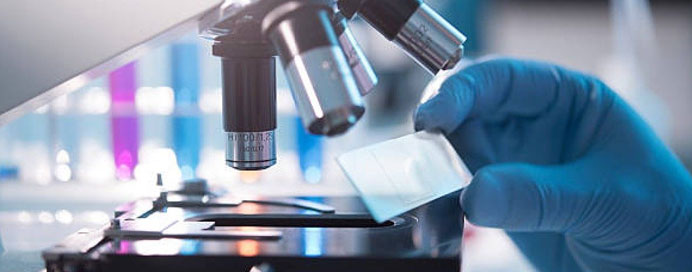
Pathology is the branch of medical science that studies diseases, their causes, development, and effects on the body. It involves examining blood, urine, body fluids, tissues, and cells through laboratory tests to understand the nature of a disease and help doctors make accurate diagnoses.
Purpose
Detect infections, anemia, diabetes, thyroid disorders, and cancers..
Confirm or rule out suspected medical conditions.
Guide doctors in planning proper treatment and management.
Screen for health risks in routine check-ups.
Major Branches of Pathology
Clinical Pathology – Tests on blood, urine, and body fluids (e.g., CBC, blood sugar, kidney/liver function tests).
Hematology – Study of blood diseases (anemia, leukemia, clotting disorders).
Histopathology – Microscopic study of biopsy tissues to detect cancer or other abnormalities.
Cytopathology – Study of cells (e.g., Pap smear for cervical cancer screening).
Microbiology – Identifies infections caused by bacteria, viruses, fungi, and parasites.
Immunology & Molecular Pathology – Detects immune-related disorders and genetic conditions.
Common Pathology Tests
Complete Blood Count (CBC)
Blood sugar & HbA1c
Liver & Kidney Function Tests
Lipid Profile (Cholesterol levels)
Thyroid Function Tests (T3, T4, TSH)
Urine & Stool Examination
Biopsy & Pap Smear
Infection screening (HIV, Hepatitis, TB, Malaria, Dengue)
Procedure
Sample collection – Blood, urine, stool, sputum, or tissue (biopsy) is collected.
Laboratory testing – Advanced machines and microscopes analyze the sample.
Report preparation – Results are interpreted by a pathologist.
Diagnosis support – The report is sent to the treating doctor for further management.
Benefits
Detects diseases at an early stage.
Guides doctors in starting the right treatment quickly.
Helps in monitoring ongoing treatment (like diabetes, thyroid, cancer).
Essential in preventive health check-ups.